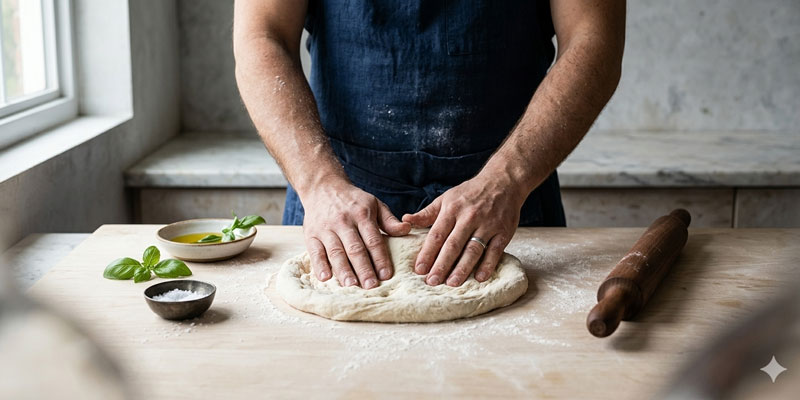
Easy Pizza Dough: Knead by Hand, Mixer, or Food Processor!
Imagine the aroma of a freshly baked, bubbling pizza wafting through your kitchen – not from a delivery box, but straight from your oven, crafted with a crust that rivals your favorite artisan pizzeria. Achieving this dream starts with exceptional homemade pizza dough, and surprisingly, it’s far simpler than you might think! Forget bland, stiff bases; we're talking about a pillowy-soft, flavourful crumb with satisfyingly crispy edges and enough structure to hold your toppings without turning into a floppy mess.
This comprehensive guide will demystify the process of making the perfect pizza dough, offering flexible methods whether you prefer the tactile experience of kneading by hand, the convenience of a stand mixer, or the astonishing speed of a food processor. Prepare to revolutionize your pizza nights!
Why Homemade Pizza Dough Reigns Supreme
There's a fundamental difference between a store-bought or delivery pizza crust and one made from scratch: the taste, the texture, and the sheer satisfaction. Our homemade pizza dough recipe aims to replicate the magic of a genuine wood-fired Italian pizza, delivering a crust that's:
- Puffy & Chewy: The edges boast an inviting puffiness, slightly crispy on the outside, giving way to a wonderfully chewy and moist interior, reminiscent of artisan bread.
- Perfectly Structured: The base crisps up just enough to support your toppings, allowing each slice to be picked up with one hand without a struggle. Yet, it retains that desirable slight bend, assuring you it's not dry and stiff like a cracker or paper-thin.
- Flavourful: With the right ingredients, your crust becomes a delicious component of the pizza itself, not just a vehicle for toppings.
- Versatile: Once you master this base, you can experiment with endless topping combinations, customizing every pizza to your exact preference.
While ordering in might be convenient, learning how to make this versatile pizza dough recipe is an essential skill that elevates your home cooking, bringing restaurant-quality pizza right to your table. Plus, the dough can be made ahead of time, offering incredible flexibility for meal planning.
Essential Ingredients for the Perfect Pizza Dough
Crafting phenomenal pizza dough doesn't require an arsenal of obscure ingredients. In fact, you likely have most of them in your pantry already. The secret lies in understanding the role each plays in creating that enviable texture and flavour:
- Yeast: The magic behind the rise! We primarily recommend instant/rapid rise yeast for its convenience – it doesn't need to be dissolved in water first, making the process faster and more foolproof. However, instructions for active dry yeast (ordinary yeast powder) can also be adapted if that's what you have on hand.
- Flour: While standard plain or all-purpose flour will certainly work, for the ultimate pizza experience, bread flour or dedicated pizza flour is your best bet. These high-protein flours develop more gluten, leading to a chewier crust with those desirable large, airy holes often seen in traditional Italian pizzas. If you're planning ahead, it's worth seeking out bread flour; otherwise, don't fret – all-purpose will still yield a delicious result.
- Sugar: A touch of sugar does double duty. It feeds the yeast, helping the dough rise more effectively, and contributes to that beautiful golden-brown crust during baking.
- Salt: Never underestimate the power of salt! It's crucial for seasoning the dough, preventing a bland crust, and also helps regulate yeast activity and strengthen the gluten structure.
- Warm Water: Yeast loves warmth! Using warm (not hot!) water helps activate the yeast quickly, kickstarting the rising process.
- Olive Oil: This is a crucial addition for home oven baking. Traditional Neapolitan-style pizza dough often omits oil because it cooks in fiercely hot commercial pizza ovens (reaching 400°C/750°F) in mere minutes. Home ovens typically max out at lower temperatures (around 275°C/530°F), meaning pizzas bake for longer. The olive oil helps keep the crust tender and moist inside, preventing it from drying out during the extended baking time.
Pro Tip on Measuring: For consistent results, especially with flour, always spoon your flour into the measuring cup and then level it off with a straight edge. Scooping directly can compact the flour, leading to too much dry ingredient.
Mastering Your Pizza Dough: Three Easy Methods
One of the greatest strengths of this pizza dough recipe is its adaptability. Whether you prefer a hands-on approach or a speedy shortcut, we've got you covered. The initial steps are largely the same, differing mainly in the kneading process.
1. The Traditional Hand-Kneading Method: 5 Minutes
For those who enjoy the tactile experience of baking, hand-kneading is incredibly therapeutic and yields fantastic results with just a little effort. You might be surprised how quickly this comes together!
- Combine Dry Ingredients: In a large bowl, whisk together your flour, instant yeast, sugar, and salt. If using active dry yeast, follow package directions to bloom it in a portion of the warm water first.
- Add Wet Ingredients: Pour in the warm water and olive oil. Mix with a spoon or your hands until a rough, shaggy dough forms. It should largely pull away from the sides of the bowl.
- Turn Out & Gather: Scrape the dough onto a lightly floured work surface. Bring the rough pieces together into a cohesive ball.
- Knead: Now for the kneading! Push the dough away from you with the heels of your hands, fold it back over itself, give it a quarter turn, and repeat. Continue this motion for about 5 minutes. The dough will transform from sticky and shaggy to smooth, elastic, and pliable. It should spring back when gently poked.
After kneading, your dough is ready for its first rise (proofing).
2. Effortless Stand Mixer Pizza Dough: 3 Minutes
A stand mixer with a dough hook attachment makes quick work of kneading, ideal for those who prefer a hands-off approach or are making larger batches.
- Combine Ingredients: In the bowl of your stand mixer, combine the flour, instant yeast, sugar, and salt. Add the warm water and olive oil.
- Mix & Knead: Attach the dough hook. Start mixing on low speed until the ingredients are just combined and a shaggy dough forms (about 30 seconds). Increase the speed to medium-low and continue kneading for just 3 minutes.
- Check for Consistency: The dough should pull away from the sides of the bowl, gather around the dough hook, and feel smooth and elastic.
Don't overmix! Just 3 minutes is typically all it takes for perfect gluten development.
3. Lightning-Fast Food Processor Pizza Dough: 40 Seconds
Prepare to be amazed! For speed and minimal effort, the food processor is an absolute game-changer, delivering perfectly kneaded dough in under a minute. This method is truly fast & foolproof.
- Pulse Dry Ingredients: Place the flour, instant yeast, sugar, and salt into the bowl of your food processor fitted with the S-blade. Pulse a few times to combine.
- Add Wet Ingredients: With the food processor running, gradually pour the warm water and olive oil through the feed tube until a ball of dough forms. This typically takes about 40 seconds flat!
- Check & Remove: The dough will quickly come together into a ball and often "ride" around on the blade. Stop immediately once a cohesive ball forms.
Scrape the dough out onto a lightly floured surface, give it a quick gather into a smooth ball, and it's ready for rising. The food processor achieves kneading through a different action, rapidly developing gluten with less friction and time.
Pro Tips for Perfect Pizza Dough Every Time
Beyond the kneading methods, a few additional tips can elevate your homemade pizza dough from good to truly exceptional:
- The Art of Proofing: After kneading, your dough needs to rise. Lightly oil a bowl, place the dough in it, turn to coat, and cover with plastic wrap or a clean kitchen towel. Let it rise in a warm spot until doubled in size (usually 1-2 hours, depending on ambient temperature). A slightly warmer environment will speed this up; a cooler one will slow it down, potentially developing more flavour.
- Make Ahead Mastery: This pizza dough is incredibly forgiving. Once kneaded, you can place it in an oiled, airtight container in the refrigerator for up to 5 days! This makes it ideal for meal prep. Simply take it out a couple of hours before you plan to bake to allow it to come to room temperature and proof. Even after forming individual pizza balls, they can sit around for hours, so don’t fret about getting the timing exactly right!
- Shaping, Not Rolling: When it's time to shape your pizza, resist the urge to use a rolling pin excessively, which can deflate the air bubbles you worked so hard to create. Instead, gently stretch the dough with your hands, working from the center outwards, leaving a slightly thicker edge for that signature puffy crust.
- High Heat is Key: For the crispiest crust, preheat your oven to its highest possible temperature (usually 250-275°C / 475-530°F) with a pizza stone or steel inside for at least 30-60 minutes. This provides an intense burst of heat to the bottom of the crust, mimicking a commercial pizza oven.
Conclusion
Gone are the days when homemade pizza felt like an intimidating culinary challenge. With this flexible and foolproof pizza dough recipe, you're empowered to create incredible, artisan-quality pizza right in your own kitchen. Whether you prefer the mindful rhythm of hand-kneading, the efficiency of a stand mixer, or the astonishing speed of a food processor, a perfectly chewy, flavourful, and structurally sound pizza crust is within your reach. Experiment with your favourite toppings, gather your loved ones, and prepare to enjoy the unparalleled satisfaction of truly exceptional homemade pizza. Happy baking!
